Valorant Calm Aim Guide With Rawzu
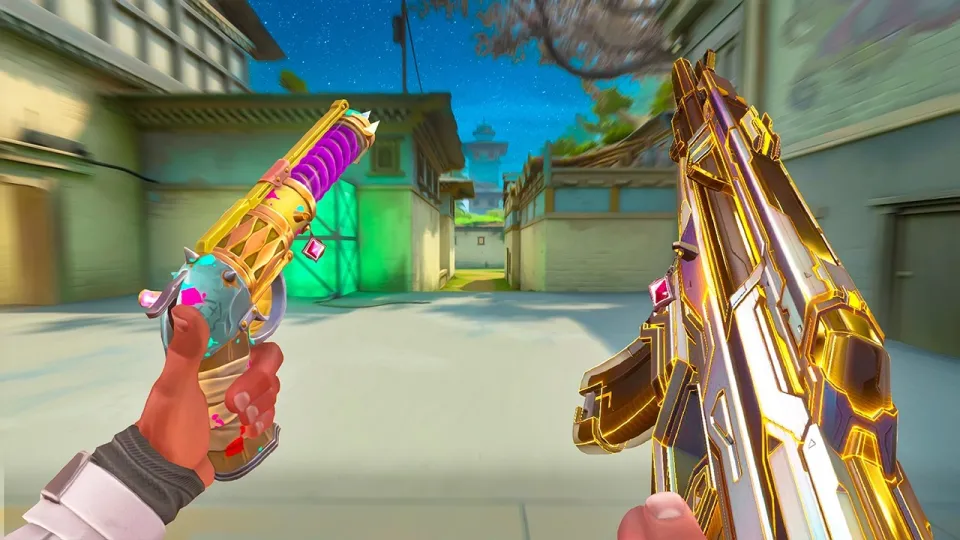
Video: low cortisol aim..
Need articles like this for your video? They help promote it on YouTube and Google — order them in the Telegram bot @sat_sit_bot. It writes articles around your video, embeds the video and publishes them on popular niche websites (no ads). Your first 50 articles are free.
Valorant is a 5v5 tactical shooter where aim, crosshair placement and mouse control decide most duels, and the calm-aim style shown by Rawzu is built on a very low sensitivity, clean movement and repeatable setup. In practice that means 400 DPI with 0.625 in-game sensitivity, a 1440x1080 resolution and a simple 1-6-2-2 crosshair, played on a Logitech G PRO X Superlight 2 and an Artisan Zero soft pad. If you want to test that setup on your own machine, you can optimize your PC for Valorant with the tool Rawzu links in the video description.
What calm aim means in Valorant
Calm aim is the habit of moving the mouse in short, deliberate corrections instead of flicks, and it shows up in how a player clears angles and holds a crosshair at head level. Rawzu's clips lean on that idea: the camera does not whip around, the shots land in small adjustments, and the whole montage is edited to feel quiet, which is why the upload is tagged as both calm aim and ASMR. The style is not about raw speed; it is about removing wasted motion, so every strafe, stop and tap happens in the same rhythm. That rhythm is what makes low-sensitivity play look smooth rather than slow.
The exact Valorant settings Rawzu uses
Rawzu's Valorant configuration is deliberately conservative, and every value in it supports steadier mouse control. The full list from the video description:
- Sensitivity: 400 DPI with 0.625 in-game, which works out to 250 eDPI — roughly a third of what many duelist players use.
- Resolution: 1440x1080, a stretched 4:3 ratio that widens enemy models on screen.
- Crosshair: 1-6-2-2, a thin static-style setup with a small center gap.
- Mouse: Logitech G PRO X Superlight 2, a lightweight wireless mouse.
- Mousepad: Artisan Zero soft, a control-oriented cloth pad.
- Monitor: Zowie XL2566K at 360Hz.
At 250 eDPI a full 360-degree turn needs a very large arm swipe, so most aiming happens from the shoulder and forearm rather than the wrist. That is the mechanical reason the aim reads as calm: small errors in wrist movement have less effect on the crosshair, and micro-adjustments become intentional.
Why Phoenix fits an aggressive but controlled playstyle
Phoenix is an offensive duelist built to hunt enemies while limiting their ability to shoot back, which pairs naturally with a low-sensitivity, deliberate aiming style. His kit in Valorant works in layers: Blaze creates a wall that blocks vision and damages anyone who walks through it, letting Phoenix cross open ground that is normally covered; Curveball throws a flash that blinds enemies even when they are tucked behind corners; Hot Hands gives a damaging molotov that also heals Phoenix when he stands in his own fire; and Run It Back is the ultimate that lets him respawn at the marked spot after a short window if he dies. Together they make him durable enough to take first contact and survive it, which is exactly what a patient aimer wants — a way to start fights on his own terms instead of reacting to someone else's angle.
Reading the clip and its community reactions
The video is a Phoenix highlight montage rather than a step-by-step lesson, and the audience response shows what people actually take from it. Viewers reacted to individual moments — a callout around the two-minute mark, a voice line that was hard to make out, a moment near 1:40 that looked impossible to hold — and several comments focused on movement rather than aim, calling the strafing the more impressive part of the play. Others joked about the game looking like a different shooter entirely and asked for another settings video, which is a fair signal: the settings are the part people want spelled out, and they are listed above. One recurring theme is audio, with at least one viewer noting they were watching at maximum volume, so the ASMR-style sound design is doing real work in the edit.
How to train a calmer Valorant aim routine
You can copy the numbers, but the routine is what changes your aim in Valorant, so build a short daily block around the same principles Rawzu's clips display:
- Warm up with slow tracking and micro-flick drills in the range for five to ten minutes, keeping the crosshair at head height.
- Practise counter-strafing: tap the opposite movement key to stop instantly, then fire, so your first bullet is accurate.
- Clear angles in small slices instead of sweeping the mouse across the whole screen.
- Keep sensitivity fixed for at least two weeks; changing eDPI constantly resets your muscle memory.
- Review one death per match and ask whether the crosshair was already placed before the enemy appeared.
A control pad like the Artisan Zero soft and a lightweight mouse help consistency, but neither replaces the habit of stopping before you shoot. If your frames drop during fights, fix that first — stutter makes any sens feel wrong.
Common questions about low sensitivity and Phoenix
Most doubts around this style come down to whether low sensitivity is too slow and whether Phoenix is the right agent for it. Low eDPI is not a handicap in Valorant if you pre-aim properly: you rarely need a 180-degree flick, and when you do, the arm swipe is a trained motion. Phoenix rewards that patience because Blaze and Curveball let you choose when the fight starts, and Run It Back gives you a second attempt if the first engagement goes wrong. The trade-off is that you must commit to clearing angles methodically, since you cannot rely on a fast wrist correction to save a bad peek.
Useful links
- Optimize your PC for Valorant — the tool linked in the video description for tuning your system.
- Rawzu's original music on Spotify — tracks from the same artist.
- Rawzu's Discord — the community server mentioned in the description.
Final thoughts on Rawzu's Valorant setup
The low-cortisol aim style is less about a secret setting and more about a consistent, unhurried input: 250 eDPI, a stretched 1440x1080 image and a clean 1-6-2-2 crosshair, all held steady by arm aiming. Phoenix suits it because his flashes and walls let a patient player dictate the pace of a duel rather than scramble through it. Rawzu's channel is the source of this breakdown, and the montage itself is the best demonstration of how the setup looks in real rounds. If you want to reproduce it, start with the sensitivity and crosshair, then spend two weeks on counter-strafing before changing anything else. You can also optimize your PC for Valorant so the settings have a stable frame rate to work with.
Key takeaways
- Rawzu plays Valorant on 400 DPI with 0.625 in-game sensitivity, a very low effective eDPI of 250.
- Resolution is 1440x1080 and the crosshair code is 1-6-2-2.
- Gear: Logitech G PRO X Superlight 2, Artisan Zero soft mousepad, Zowie XL2566K 360Hz monitor.
- Phoenix is the agent shown: Blaze walls block vision, Curveball blinds, Hot Hands and Run It Back add durability.
- The video is a calm-aim Phoenix highlight montage with ASMR-style editing rather than a tutorial.
Source: low cortisol aim.. · Markdown version
Questions & answers
Is 400 DPI and 0.625 sensitivity too low for Valorant?
It is low — about 250 eDPI — but it is viable for players who aim with the arm and pre-place their crosshair. You give up fast 180-degree flicks in exchange for steadier micro-adjustments. Try it for at least two weeks before judging, since muscle memory needs time to adapt.
What crosshair does Rawzu use in Valorant?
The description lists a crosshair code of 1-6-2-2 on a 1440x1080 resolution. That is a thin setup with a small center gap, suited to tapping and holding head level. Copy the values into your own crosshair profile and adjust the gap if it feels too tight.
Why does the video look so calm compared to normal gameplay clips?
The edit is built around quiet, ASMR-style sound and smooth camera work, and the low sensitivity produces smaller, more deliberate mouse movements on screen. It is a highlight montage, not a tutorial, so the calm feel is partly presentation and partly the actual aim style.
Does Phoenix work well with a low-sensitivity aim style?
Yes, because Blaze walls and Curveball flashes let Phoenix start fights on his own terms instead of reacting to an unexpected angle. Hot Hands and Run It Back add survivability, so a patient player can take first contact and recover from a mistake. The main requirement is methodical angle clearing rather than fast flicks.